
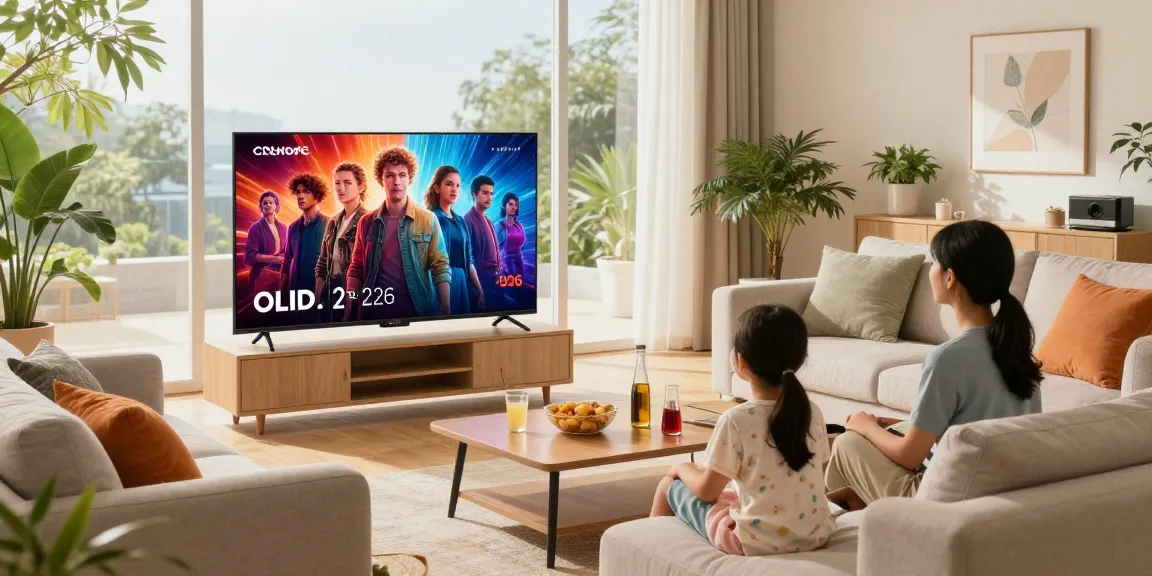
Understanding OLED Technology in 2026
As we step into 2026, the landscape of television technology is more exciting than ever, especially with the advancements in OLED (Organic Light Emitting Diode) technology. In recent years, OLED has transformed the way we perceive visual content, offering unprecedented picture quality and color accuracy that surpasses traditional display technologies. This article delves into the intricate details of OLED technology, its advantages, and what innovations to expect in this year.
When exploring options, OLED TV 2026 provides comprehensive insights into the latest models and their features that can enhance your viewing experience.
What is OLED and How Does It Work?
At its core, OLED technology utilizes organic compounds that emit light when an electric current is applied. Unlike traditional LCD screens that rely on a backlight, each pixel in an OLED display generates its own light, allowing for deeper blacks and more vibrant colors. This independence from a backlight also enables an incredibly thin screen design, contributing to the sleek aesthetics of modern televisions. The ability to turn off individual pixels results in true black levels, creating a remarkable contrast ratio and lifelike images.
The Advantages of OLED TVs Over Traditional Displays
OLED TVs offer several advantages compared to traditional LCD and LED screens:
- Superior Picture Quality: OLED displays deliver stunning visuals with brighter colors and deeper blacks, enhancing the viewing experience.
- Wide Viewing Angles: The images remain consistent from any angle, making them ideal for group viewing.
- Thin and Light Design: The absence of a backlight allows OLED TVs to be incredibly thin, fitting seamlessly into any space.
- Fast Response Times: OLED technology exhibits quicker pixel response times, reducing motion blur during fast-paced scenes.
Major Innovations in OLED Technology for 2026
The OLED technology landscape is evolving, with several exciting innovations set to define the market in 2026. Key developments include:
- Improved Brightness: New generations of OLED panels are designed to achieve higher brightness levels without compromising color accuracy.
- Enhanced Durability: Manufacturers are focusing on improving the longevity of OLED screens, addressing concerns about burn-in effects from static images.
- Smart Features: Integration of AI and machine learning to optimize picture settings based on content and environment.
Top OLED TV Models for 2026
As the year progresses, several OLED TV models are already capturing consumer attention. Here are the standout performers across various price points:
The Best OLED TV 2026: Premium Picks
In the premium segment, the LG G6 OLED stands out with its stunning picture quality and impressive smart features, making it a favorite among enthusiasts. Another strong contender is the Samsung S95H OLED, known for its vibrant color reproduction and sleek design.
Mid-Range OLED Options: Quality Meets Value
For those seeking quality without breaking the bank, the LG C6 OLED offers excellent performance with a range of smart features at a more accessible price point. The Sony A80J is also noteworthy, delivering rich colors and deep blacks while retaining affordability.
Budget-Friendly OLED TVs for Great Performance
Consumers looking for budget-friendly options can consider the Vizio 55-Inch 4K OLED, which balances performance and price effectively. Another option is the Philips OLED758, providing impressive visual quality without the premium pricing typically associated with OLED technology.
Buying Guide for OLED TVs in 2026
Key Features to Look for in an OLED TV
When shopping for an OLED TV in 2026, it’s crucial to pay attention to the following features:
- Resolution: Look for 4K UHD at a minimum, with many high-end models offering 8K capabilities.
- Refresh Rate: Higher refresh rates are important for smooth motion during fast-paced content, particularly in gaming.
- HDR Support: Ensure the TV supports a wide range of HDR formats for optimal color and contrast.
Understanding Display Specifications and Terminology
Understanding specs like contrast ratio, peak brightness, and color accuracy is vital. Familiarize yourself with standard terms such as local dimming, quantum dot technology, and HDMI 2.1 to make informed decisions.
Buying Tips: Ensuring You Get the Best Value
When purchasing an OLED TV, consider shopping during major sales events and compare pricing across retailers to find the best deals. Look for warranty offerings and after-sales support to ensure your investment is protected.
Comparisons: OLED vs Other Display Technologies
OLED vs QLED: Which is Better for You?
Understanding the differences between OLED and QLED technologies can help you make an informed choice. While OLED excels in contrast and color accuracy due to its ability to turn off individual pixels, QLED shines in brightness levels and can often be less expensive. Your choice may depend on your viewing environment and preferences.
Viewing Angles: How OLED Stands Out
OLED panels retain color and brightness even at acute viewing angles, making them superior to traditional LCD screens, where colors can wash out or distort when viewed from the side. This feature is particularly beneficial for larger rooms or when multiple viewers are present.
Future of Display Technology: What to Expect Beyond 2026
The journey for display technology doesn’t end in 2026. Advances in materials science may lead to even thinner, more energy-efficient OLEDs, along with revolutionary technologies that combine the best features of OLED and QLED, potentially creating a new category of display.
FAQs About OLED TVs in 2026
Are OLED TVs worth the investment in 2026?
For video enthusiasts and gamers, OLED TVs are worth the investment due to their superior image quality and immersive viewing experiences. They represent the pinnacle of current display technology.
How do OLED TVs perform in bright rooms?
While OLEDs are traditionally less bright than LCDs, advancements in panel technology have improved their performance in well-lit environments. Look for models with higher peak brightness ratings if this is a concern.
What are the best sizes for OLED TVs in 2026?
The best size for an OLED TV depends on your viewing distance and room size. Common sizes range from 55 to 85 inches, with 65 inches being the most popular choice among consumers.
Can I play video games on an OLED TV without issues?
Yes, many OLED TVs offer low input lag and high refresh rates, making them suitable for gaming. However, be mindful of potential burn-in issues with static game elements, and consider models with features to mitigate this risk.
What maintenance do OLED TVs require?
OLED TVs require minimal maintenance. Regular cleaning of the screen with a microfiber cloth is advised. Avoid prolonged display of static images to prevent burn-in.



More Stories
6 Expert-Approved WhatsApp網頁版 Strategies for Effective Communication in 2026
Key Innovations Shaping the Future of Computer Technology